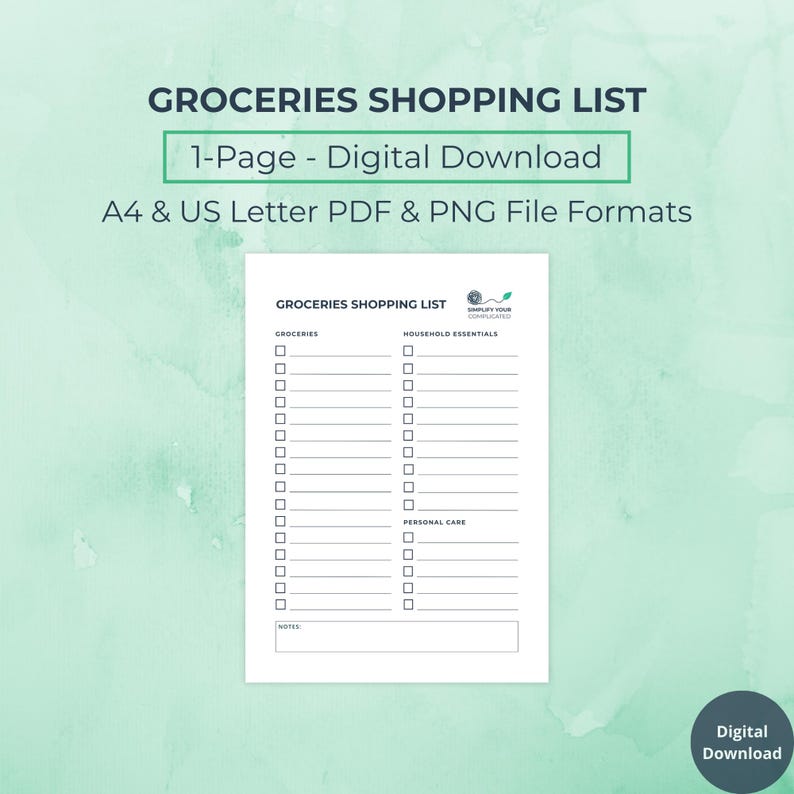
Simplify Your Shopping: The Power of a Minimalist Grocery List
Grocery shopping. For many, it's a necessary chore that often spirals into an overwhelming experience. You walk in with good intentions, but aisles of tempting treats, confusing promotions, and the sheer volume of choices can lead to a cart full of impulse buys, forgotten essentials, and ultimately, wasted food and money. What if there was a simpler way? What if you could transform your grocery run from a chaotic sprint into a calm, efficient, and even enjoyable activity?
Enter the minimalist grocery list. This isn't about deprivation; it's about intentionality. It's a powerful tool that simplifies your shopping, reduces waste, saves you money, and brings a surprising sense of calm to one of life's most repetitive tasks. Ready to ditch the decision fatigue and embrace a smarter way to shop? Let's dive in.
Why Go Minimalist with Your Groceries?
The benefits of adopting a minimalist approach to your grocery list extend far beyond just a quicker trip to the store. They impact your wallet, your kitchen, and even your mental well-being.
Combat Decision Fatigue: With a focused list, you spend less time agonizing over choices in the aisles. You know exactly what you need, making the process smoother and less mentally draining.
Reduce Food Waste: Impulse buys often lead to forgotten items languishing in the back of the fridge. A minimalist list means you buy only what you'll use, significantly cutting down on discarded food.
Save Money: Fewer impulse purchases mean a lower bill. You're buying with purpose, avoiding costly items you don't truly need or already have.
Save Time: A clear, concise list makes your shopping trip faster. No more wandering aimlessly or backtracking for forgotten items.
Promote Healthier Eating: When you plan your meals and list ingredients intentionally, you're more likely to focus on wholesome, nutritious foods rather than processed convenience items.
"The greatest wealth is health." - Virgil. And a minimalist grocery list is a step towards nurturing that wealth.
The Core Principles of a Minimalist Grocery List
Before we build your ultimate list, let's understand the philosophy behind it. These principles are your guiding stars:
1. Focus on Staples
What are the non-negotiables in your kitchen? These are the items you always need and use regularly. Think oats, rice, pasta, canned beans, olive oil, salt, pepper, common spices, eggs, milk, bread. Identifying your core staples forms the bedrock of your list.
2. Plan Meals First
This is perhaps the most crucial step. Instead of listing random ingredients, decide what you'll eat for the next 3-5 days (or even a week). Then, list only the ingredients required for those specific meals. This prevents buying items "just in case" that often go unused.
3. Shop Your Pantry First
Before you even think about the store, open your fridge, freezer, and pantry. What do you already have? Cross those items off your preliminary list. This is a huge money and waste saver!
4. Buy Versatile Ingredients
Opt for ingredients that can serve multiple purposes. Chicken breasts can be grilled, stir-fried, or used in a soup. Spinach can go into a salad, a smoothie, or sautéed as a side. The more mileage you get out of an ingredient, the better.
5. Consider Shelf Life
Prioritize fresh produce for meals you'll make in the next day or two. For later in the week, lean on hardier vegetables (carrots, cabbage, potatoes) or frozen options. This prevents spoilage.
Building Your Minimalist Grocery List Template (Practical Steps)
Ready to create your own game-changing list? Follow these steps:
Step 1: The "Always Have" List
Start by creating a master list of your absolute pantry essentials. These are items you'll replenish as needed, but they form a constant base. Examples:
Grains: Rice, pasta, oats, flour
Legumes: Canned beans, lentils
Oils/Vinegars: Olive oil, vegetable oil, apple cider vinegar
Spices: Salt, pepper, garlic powder, onion powder, cumin, paprika
Canned Goods: Diced tomatoes, coconut milk, tuna
Condiments: Ketchup, mustard, soy sauce
Dairy/Eggs: Milk, eggs, butter (if used regularly)
Keep this list digitally or physically somewhere accessible. When you run low on something, add it to your weekly shopping list.
Step 2: Weekly Meal Planning
Dedicate 15-20 minutes once a week to plan your meals. Don't overdo it – 3-5 main meals, factoring in leftovers, is often enough. Write them down. For example:
Monday: Chicken Stir-fry with Rice
Tuesday: Lentil Soup with Crusty Bread
Wednesday: Leftover Stir-fry
Thursday: Pasta with Marinara and Spinach
Friday: Homemade Pizza
Step 3: Check Your Stock
Now, go through your planned meals and check your pantry. For "Chicken Stir-fry," do you have soy sauce, sesame oil, and rice? For "Lentil Soup," do you have lentils, carrots, and celery? List only the ingredients you don't have.
Step 4: Categorize for Efficiency
Once you have your final list, organize it by store section. This saves immense time in the store.
PRODUCE:
    - Bell peppers (for stir-fry)
    - Spinach (for pasta)
    - Carrots (for soup)
    - Onion (for soup, stir-fry)
DAIRY/EGGS:
    - Milk (if low)
    - Mozzarella cheese (for pizza)
MEAT/PROTEIN:
    - Chicken breast (for stir-fry)
    - Ground beef (for pizza topping)
PANTRY:
    - Pasta (if low)
    - Marinara sauce
    - Pizza dough (or ingredients if making from scratch)
FROZEN:
    - Frozen peas (for stir-fry)
Step 5: The "Treat Yourself" Allowance
A minimalist list doesn't mean no fun. Designate a small section or budget for one or two "treat" items – a fancy cheese, a new snack you want to try, or your favorite dessert. This prevents feeling deprived and makes sticking to the rest of the list easier.
Tips for Success and Sticking To It
Never Shop Hungry: This is a classic trap leading to impulse buys. Eat a snack or meal before you go.
Stick to Your List Religiously: Treat your list as your sacred shopping bible. Avoid wandering down tempting aisles that aren't on your list.
Batch Cook: Prepare larger portions of meals or ingredients (like cooked grains or chopped veggies) at the beginning of the week to streamline daily cooking.
Review and Adjust: After a few weeks, review what worked and what didn't. Did you always run out of a certain staple? Add it to your "always have" list. Did something consistently go to waste? Re-evaluate if you truly need it.
Embrace Flexibility (Within Reason): Sometimes, a sale item is too good to pass up, or you might find a seasonal ingredient. Allow for minor deviations, but always ask yourself: "Do I really need this, and will I use it?"
Conclusion
Adopting a minimalist grocery list is more than just a shopping hack; it's a step towards a more intentional, less wasteful, and less stressful lifestyle. By simplifying your grocery run, you reclaim time, save money, reduce food waste, and make healthier choices almost effortlessly. It might take a little practice to get into the groove, but the transformation in your shopping experience and your kitchen will be undeniable.
So, next time you're staring at an empty fridge or a chaotic pantry, remember the power of a simple, focused list. Start small, be consistent, and watch as your complicated grocery runs simplify into satisfying, efficient trips. Happy shopping, simplified!